
In recent years, Panamanian urban planning has undergone a decisive shift toward more human, sustainable city models centered on pedestrian mobility. Among the professionals who have driven this transformation is Luis Alfaro, an architect and landscape architect whose vision integrates biodiversity, urban design, and citizen participation. His approach takes exemplary form in Porta Norte, a development conceived to prioritize pedestrians and reconnect the city with its natural environment.
This article introduces Luis Alfaro, the characteristics that distinguish his work, and how his vision is reflected in Porta Norte. If you’re considering joining an urban project with solid foundations in sustainability, smart design, and long-term vision, this article is for you.
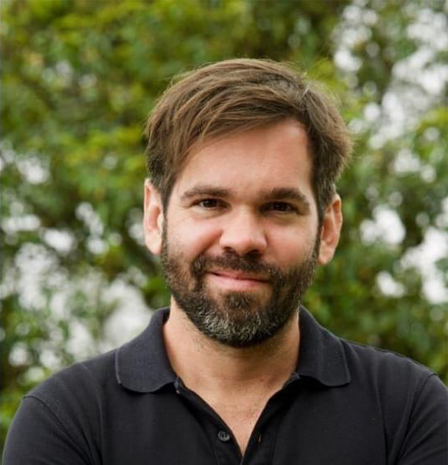
Luis Alfaro is a Panamanian architect with a distinguished career in landscape architecture, urban planning, and public space design. He graduated from Isthmus School of Architecture and Design in 2008 and subsequently earned a master’s degree in Landscape Architecture from the Polytechnic University of Catalonia (ETSAB) in Barcelona in 2014. His time in Spain profoundly shaped his understanding of organized urban planning and the importance of designing people-centered cities.
He is the founder of the firm Luis Alfaro Arquitectura y Paisaje (LAAP), which has a multidisciplinary team dedicated to connecting sustainable architecture, technology, and Panamanian biodiversity. Additionally, Alfaro has worked on projects of various scales: architecture, interior design, urban planning, furniture, gardens, and public space design.
His professional role goes hand in hand with his urban activism. Alfaro participates in the Paitilla Local Development Board (JDL), where he promotes participatory processes and discusses zoning and density issues. As an advocate for human mobility, he argues that walkability is the most democratic urban policy and the foundation for more just and efficient cities.
His professional role goes hand in hand with his urban activism. Alfaro participates in the Paitilla Local Development Board (JDL), where he promotes participatory processes and discusses zoning and density issues. As an advocate for human mobility, he argues that walkability is the most democratic urban policy and the foundation for more just and efficient cities.
Alfaro’s approach combines social, climate, ecological, and urban planning criteria. His philosophy can be summarized in four main pillars:
For Alfaro, the pedestrian is the protagonist, and urban infrastructure must protect them. This includes:
Their vision aims to transform car-dependent cities into denser, more walkable, and better-connected communities.
In warm climates like Panama’s, landscaping isn’t decorative: it’s functional. Alfaro focuses his design on:
To prevent disorderly expansion and the creation of “bedroom cities,” Alfaro advocates for:
Alfaro argues that urban design should be a collaborative process. Therefore, he emphasizes citizen participation as a key factor in achieving fairer cities with:
Together, these elements enable cities to be more human, resilient, and efficient in the long term.
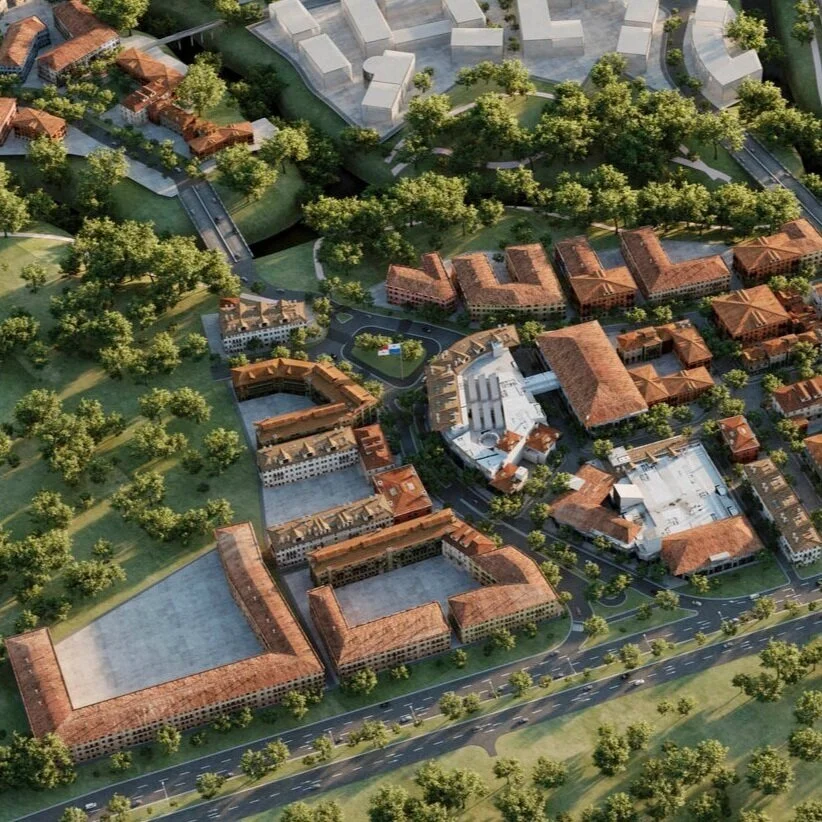
Porta Norte is a 263-hectare development inspired by the Casco Viejo and designed for pedestrians; it is one of the projects where Luis Alfaro’s vision is most deeply integrated. Although the Master Plan was developed by DPZ, Alfaro was responsible for designing the project’s tree planting and landscaping, where he promotes the following criteria.
Alfaro’s design focused on creating a comfortable pedestrian route thanks to:
This approach makes Porta Norte an example of urbanism adapted to the tropical Panamanian climate.
To ensure robust trees in the long term, Alfaro worked closely with the project engineers:
This comprehensive planning prevents future problems and ensures the health of urban trees.
In the first phase, more than 700 trees and 65 different species were planted. Each street has a distinctive species:
Additionally, the project includes:
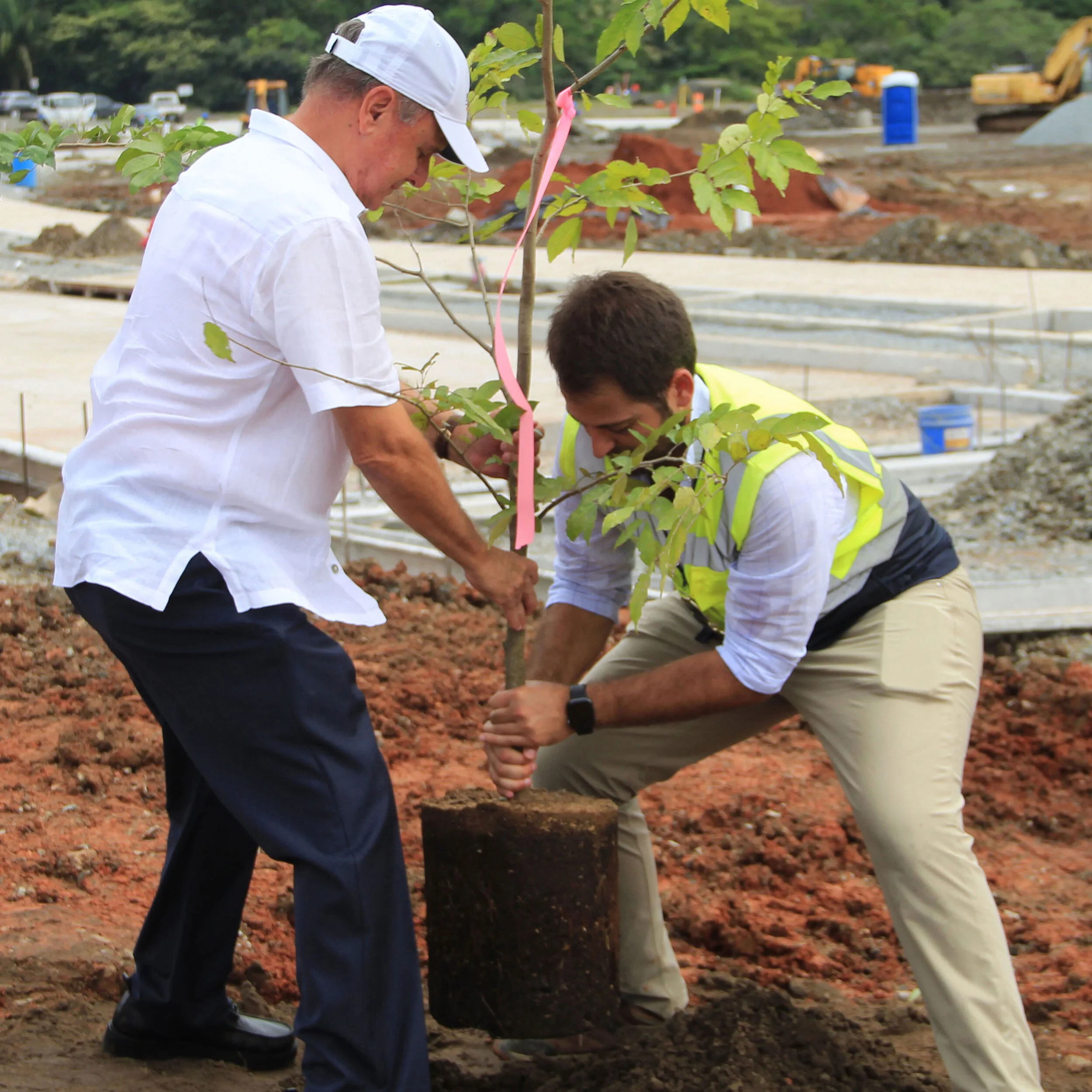
The first tree planted in Porta Norte was a Belisario Porras, inspired by the iconic specimen in Plaza Herrera in Casco Viejo, whose technical data sheet was prepared by Alfaro. This choice honors both the former president and the urban planning legacy of the La Exposición neighborhood, drawing a parallel with Porta Norte’s vision as a planned, long-term project.
Luis Alfaro’s career and his people-centered approach to urban planning are exemplified in Porta Norte. His work integrates pedestrian mobility, biodiversity, climate-responsive design, and urban planning to create more functional, human-centered, and sustainable cities. Porta Norte not only incorporates these elements, but also makes them the foundation of its identity.
If you’d like to learn more about Luis Alfaro and his work, listen to this episode of our podcast focused on trees.
We invite you to learn more about Porta Norte and its city proposal for future generations.