
To watch the uncensored interview, follow this link.
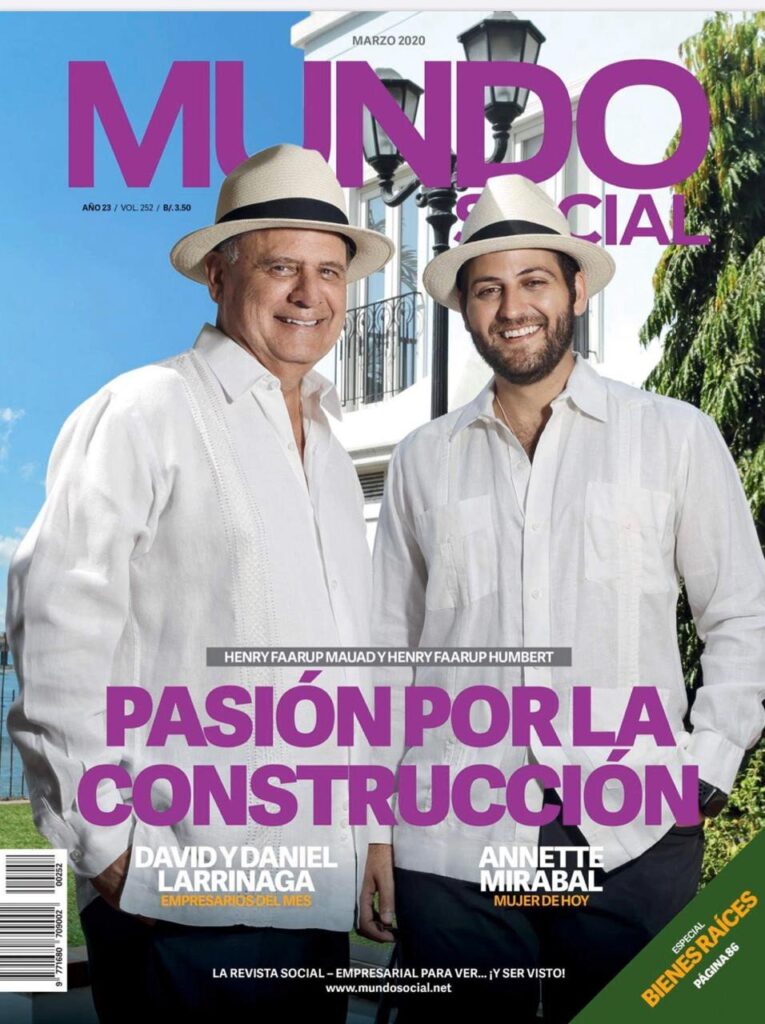
An entrepreneur with over 40 years of experience in the construction industry joined forces with his son, who, with his fresh ideas, revitalized the company’s philosophy and energy. Together, they are working on one of the most challenging real estate projects of their careers: Ciudad Porta Norte, based on colonial urban planning and architecture.
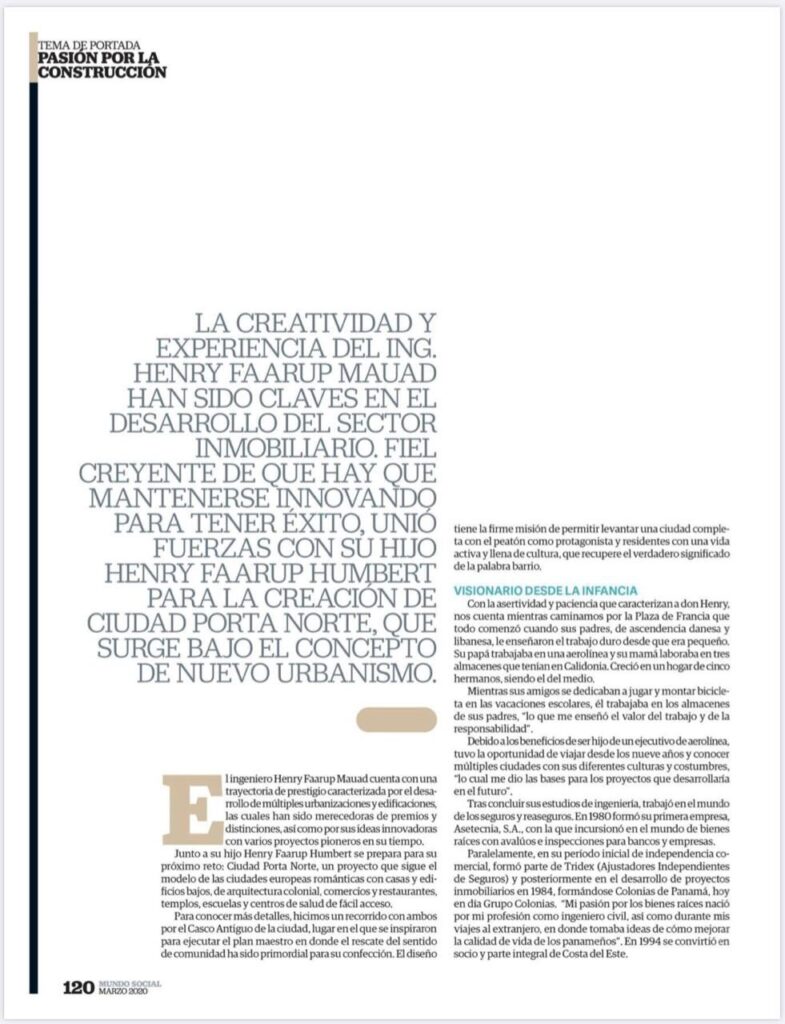
Engineer Henry Faarup Mauad’s creativity and experience have been key to the development of the real estate sector. A firm believer that one must keep innovating to succeed, he joined forces with his son, Henry Faarup Humbert, to create Ciudad Porta Norte, which is based on the concept of New Urbanism.
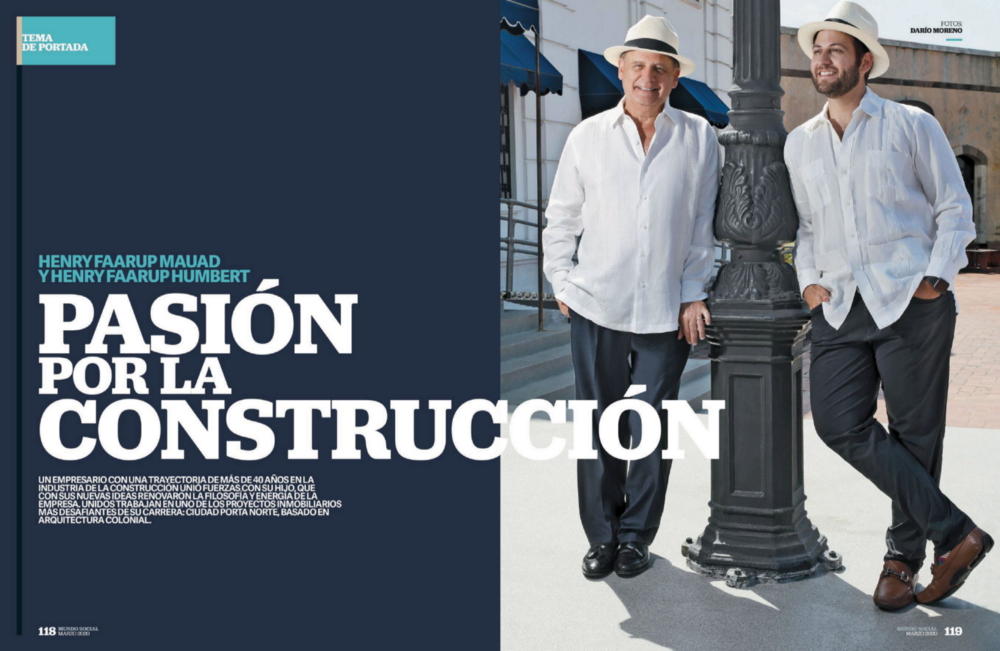
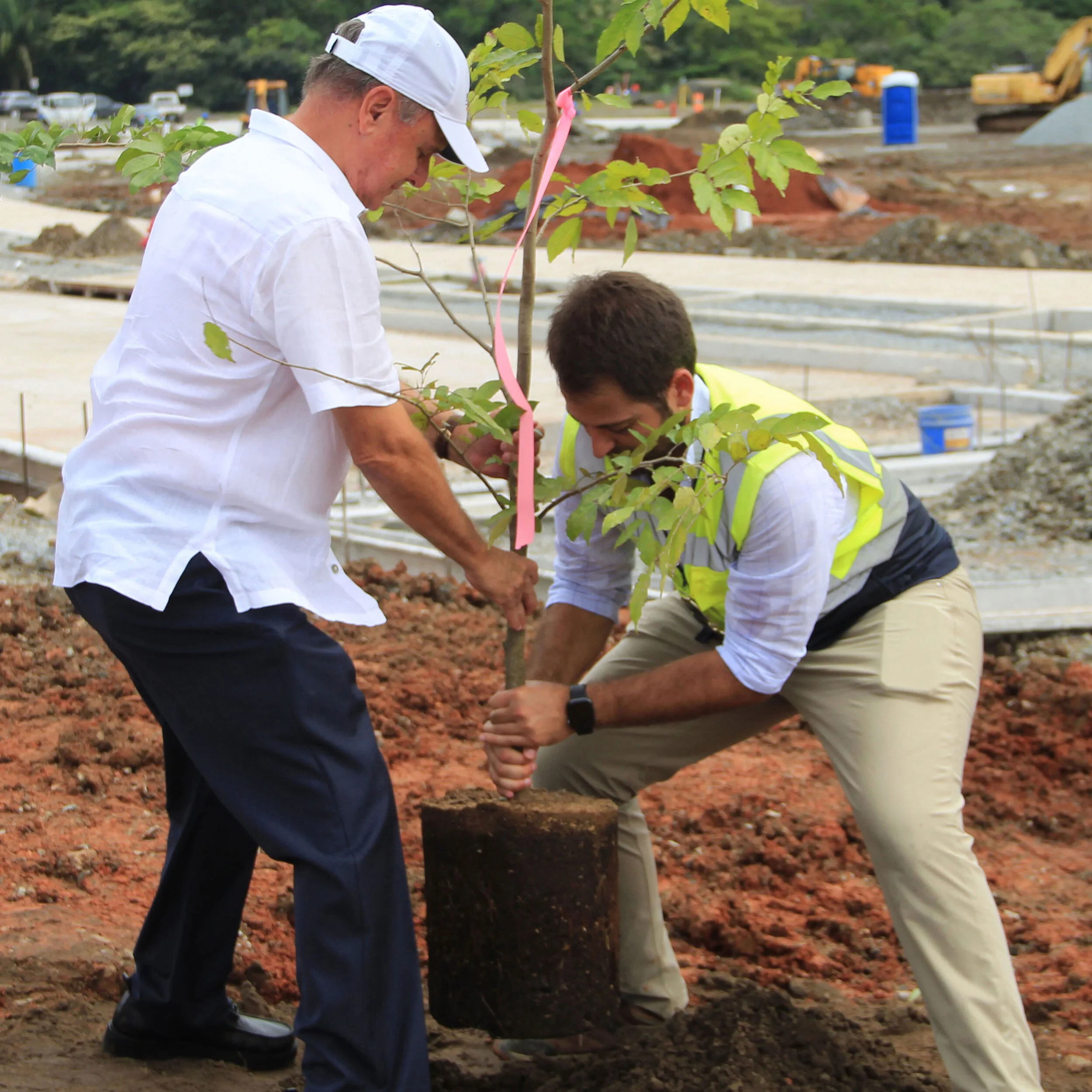
Engineer Henry Faarup Mauad has a distinguished track record characterized by the development of numerous residential complexes and buildings, which have earned awards and accolades, as well as by his innovative ideas and several pioneering projects for their time.
Interview video by Mundo Social with Henry Faarup Mauad and Henry Faarup Humbert.
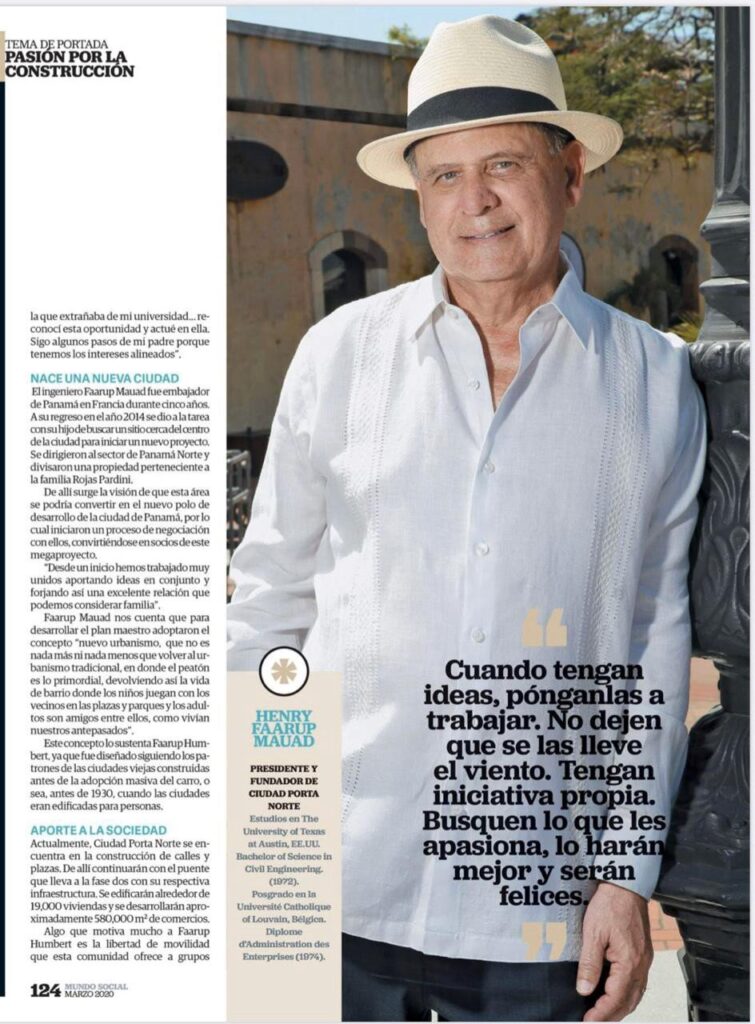
Together with his son Henry Faarup Humbert, he is preparing for his next challenge: Ciudad Porta Norte, a project that follows the model of romantic European cities with low-rise houses and buildings in colonial architecture, shops and restaurants, temples, schools, and easily accessible sports and health centers.
To learn more details, we took a tour with both of them thru the city’s Casco Viejo, the place where they drew inspiration for implementing the master plan, in which restoring a sense of community has been paramount. The design has the firm mission of enabling the creation of an entire city with pedestrians at its heart and residents leading active, culturally rich lives that restore the true meaning of the word “neighborhood.”
With the assertiveness and patience that characterize Don Henry, he tells us as we walk thru Plaza de Francia that it all began when his parents, born in Panama of Danish and Lebanese descent, taught him hard work from a young age. His father worked for an airline, and his mother worked in three warehouses they owned in Calidonia. He grew up in a household of five siblings, being the middle child.
While his friends spent their school vacations playing and riding bikes, he worked in his parents’ warehouses, “which taught me the value of hard work and responsibility.” He also told us that he was passionate about sports and music, becoming the Panamanian children’s table tennis (ping pong) champion and learning to play the guitar and piano.
Thanks to the benefits of being the son of an airline executive, he had the opportunity to travel from the age of nine and explore multiple cities with their diverse cultures and customs, “which laid the foundation for the projects I would develop in the future.”
After completing his studies, he worked in the insurance and reinsurance industry. In 1980, he founded his first company, Asetecnia, S.A., thru which he entered the real estate world, providing appraisals and inspections for banks and companies.
At the same time, during his initial period of commercial independence, he was part of Tridex (Independent Insurance Adjusters) and later, in 1984, he became involved in real estate development projects, forming Colonias de Panamá, now Grupo Colonias. “My passion for real estate was born from my profession as a civil engineer, as well as from my travels abroad, where I gathered ideas on how to improve the quality of life for Panamanians.” In 1994, he became a partner and an integral part of Costa del Este.
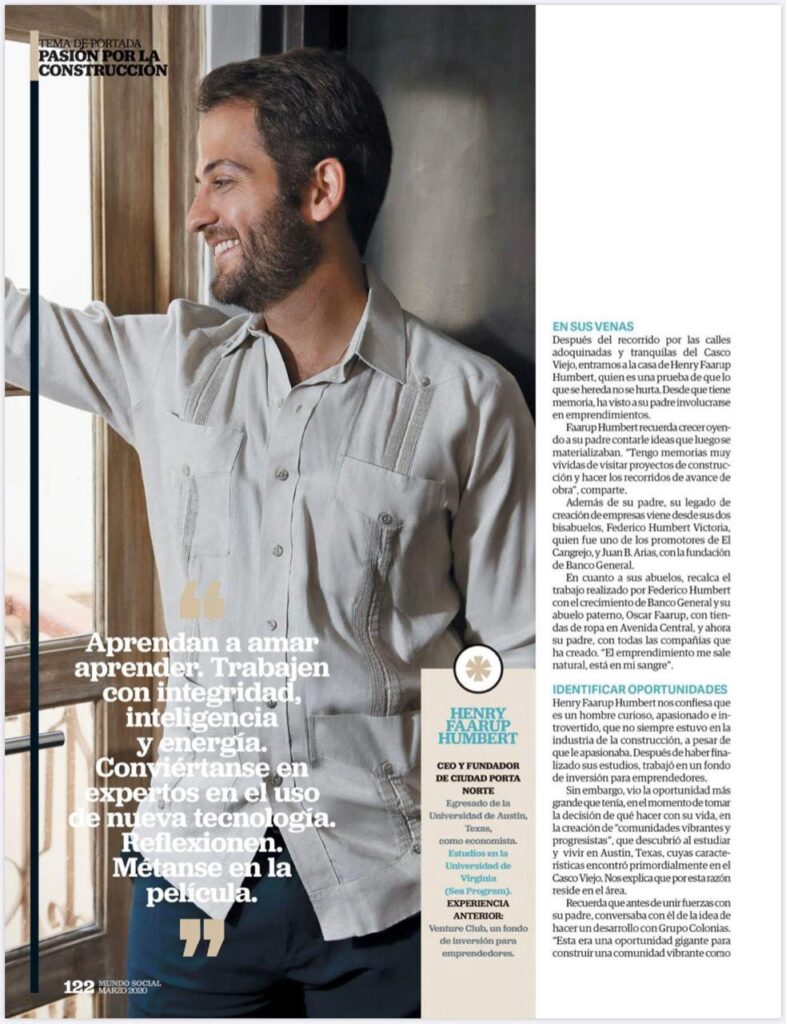
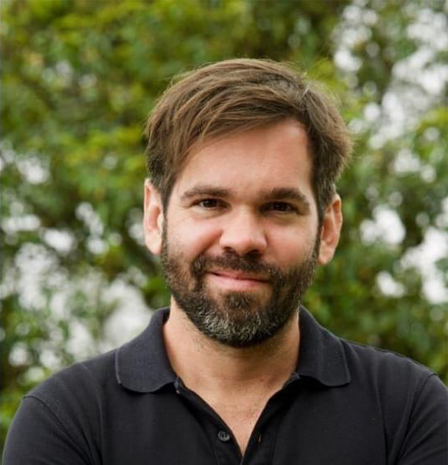
After strolling thru the cobblestone streets and tranquil atmosphere of the Casco Viejo, we entered the home of Henry Faarup Humbert, who is proof that what is inherited cannot be stolen. Since he can remember, he has seen his father get involved in entrepreneurial ventures.
Faarup Humbert recalls growing up listening to his father share ideas that would later materialize. “I have very vivid memories of visiting construction projects and doing progress tours,” he shares.
In addition to his father, his legacy of entrepreneurship stems from two of his great-grandfathers: Federico Humbert Victoria, who was one of the developers of El Cangrejo, and Juan B. Arias, who founded Banco General.
As for his grandparents, he highlights the work Federico Humbert did in growing Banco General, his paternal grandfather Oscar Faarup’s clothing stores on Avenida Central, and now his father’s efforts with all the companies he has created. Entrepreneurship comes naturally to me; it’s in my blood.
Henry Faarup Humbert confesses that he is a curious, passionate, and introverted man who hasn’t always been in the construction industry, even tho he was passionate about it. After completing his studies, he worked at an investment fund for entrepreneurs.
However, he saw the greatest opportunity he had at the time—when deciding what to do with his life—in creating “vibrant and progressive communities,” which he discovered while studying and living in Austin, Texas, and whose characteristics he found primarily in the Casco Viejo. He explains that this is why he lives in the area.
Remember that, before joining forces with his father, he was discussing with him the idea of developing a project with Grupo Colonias. “This was a huge opportunity to build a vibrant community like the one I missed from my university… I recognized this opportunity and acted on it.” I follow in some of my father’s footsteps because our interests are aligned.
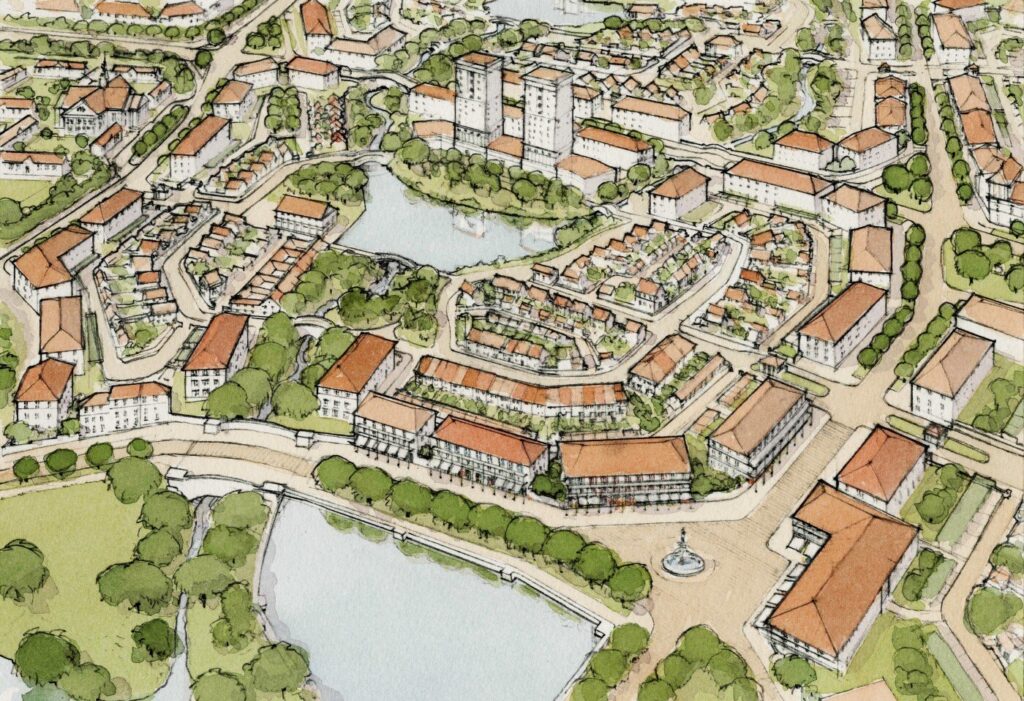
Concepto Ciudad Porta Norte — by Duany Plater-Zyberk.
Engineer Faarup Mauad served as Panama’s ambassador to France for five years. Upon his return in 2014, he and his son set out to find a site near the city center to launch a new project. They headed to the northern sector of Panama and spotted a property belonging to the Rojas Pardini family.
From there arose the vision that this area could become the new development hub of Panama City, so they initiated a negotiation process with them, becoming partners in this megaproject.
From the very beginning, we’ve worked closely together, contributing ideas as a team and forging an excellent relationship that we can consider familial.
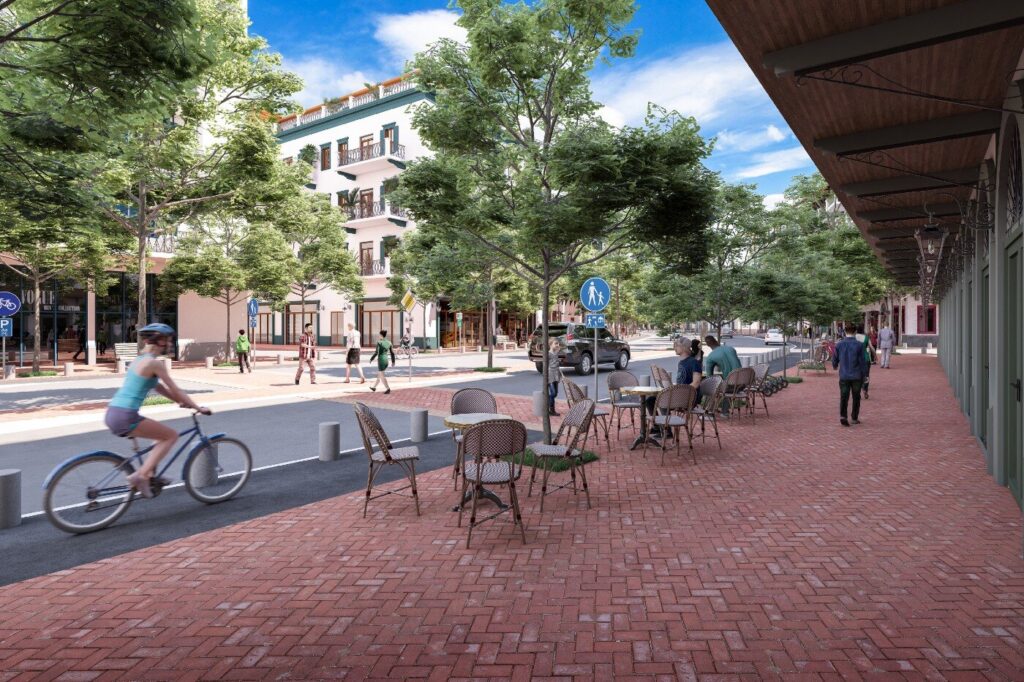
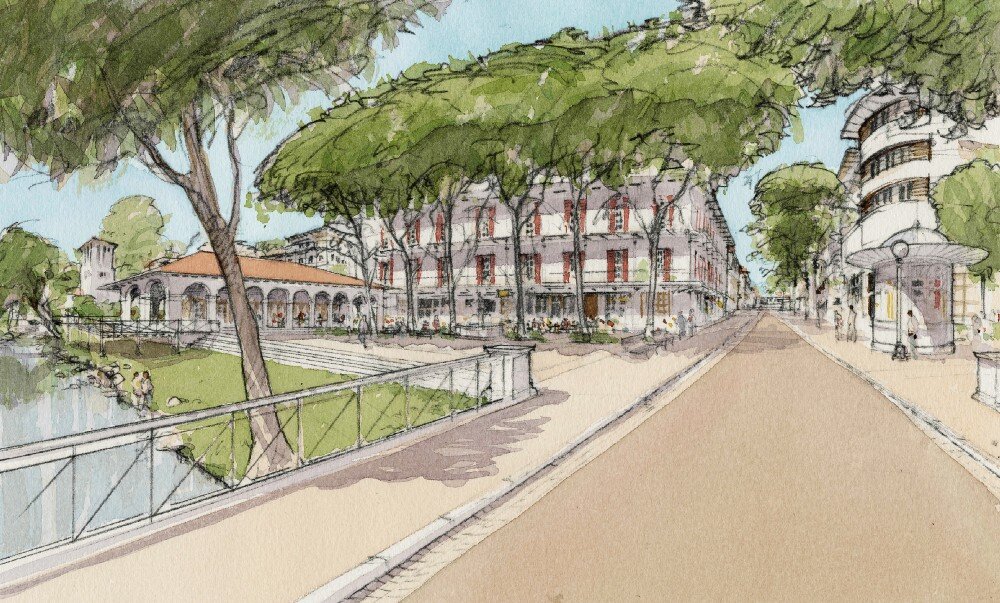
Faarup Mauad tells us that to develop the master plan, they adopted the concept of “New Urbanism,” which is nothing more or less than returning to traditional urban planning where the pedestrian is paramount, thereby restoring neighborhood life where children play with their neighbors in plazas and parks and adults are friends with one another, just as our ancestors lived.
This concept is supported by Faarup Humbert, who adds that the project was designed following the patterns of old cities built before the widespread adoption of the automobile—that is, before 1930, when cities were built for people.
Brasilia, Brazil. (Non-Human Scale)
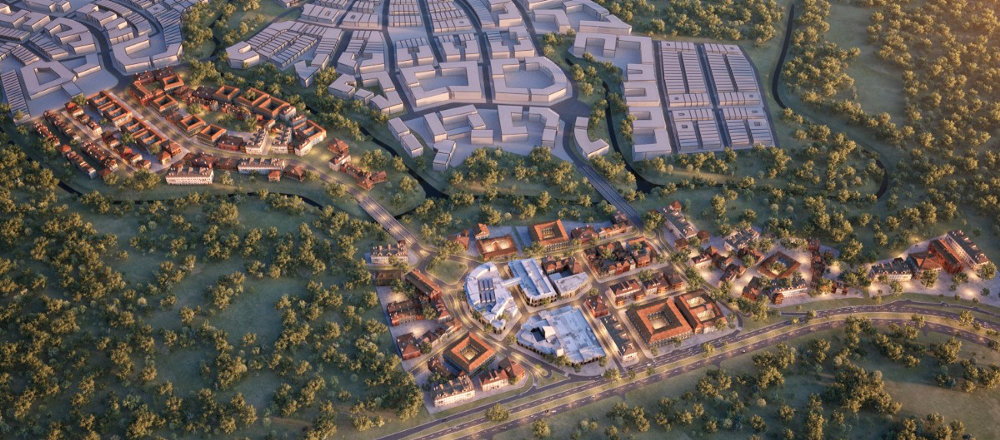
Currently, Ciudad Porta Norte is under construction of streets and plazas. From there, they will continue with the bridge leading to Phase 2 and its corresponding infrastructure. Approximately 11,000 homes will be built and roughly 580,000 m² of commercial space will be developed across 262 hectares.
Something that really motivates Faarup Humbert is the freedom of mobility that this community offers to groups in our society who cannot move independently, such as the elderly, children, and people with disabilities.
Unfortunately, we live in a city where simply having well-made sidewalks is considered innovative. Another element worth highlighting is the respect for nature, with the creation of trails, the maintenance of all natural waterways, and the planting of trees. They were incorporated as part of the design and will be a vital component for recreation.
Engineer Faarup Mauad indicates that it is an investment of more than $500 million, not counting the construction of houses and buildings. This megaproject, together with neighboring projects, contributes to developing a new growth sector for the city. At the same time, new horizons are created for Panamanians who want a better quality of life. All of this goes hand in hand with the workforce that is generated. Today they have more than 12 developers.
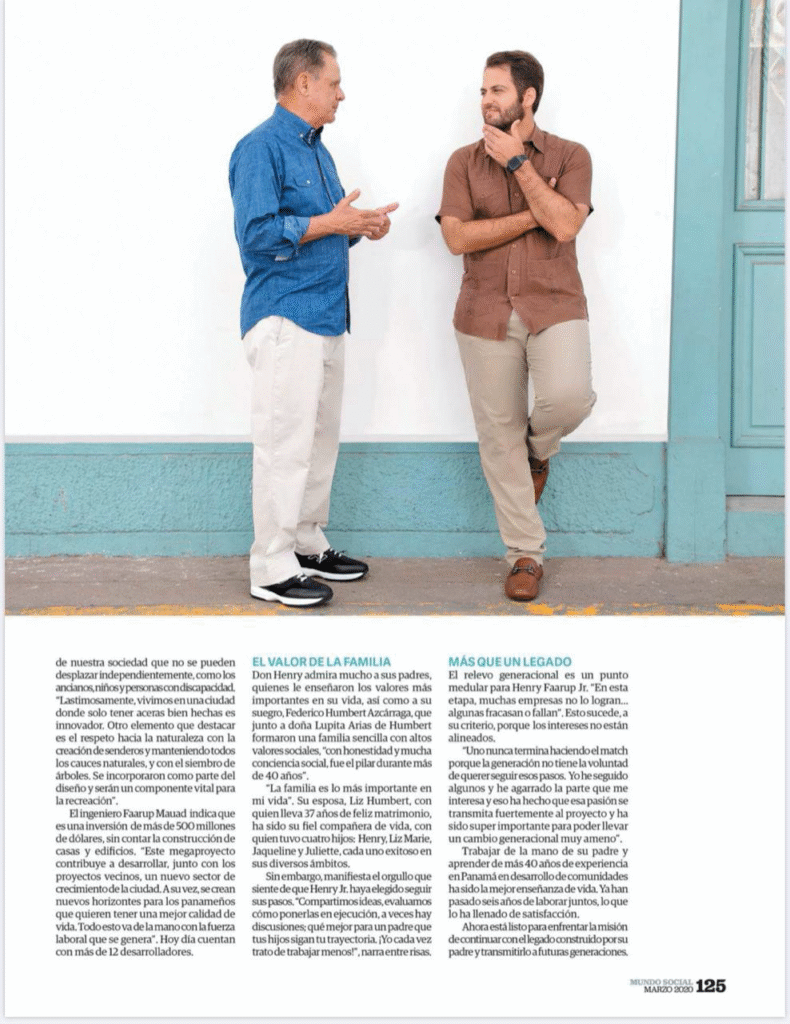
Don Henry greatly admires his parents, who taught him the most important values in his life, as well as his father-in-law, Federico Humbert Azcárraga, who, together with Doña Lupita Arias de Humbert, formed a simple family with high moral and social values; “with honesty and a strong sense of social responsibility, he was the pillar for more than 40 years of what Banco General is today.”
“Family is the most important thing in my life.” His wife, Liz Humbert, with whom he has been happily married for 37 years, has been his faithful life partner, and together they have four children: Liz Marie, Juliette, Jaqueline, and Henry James, each successful in their respective fields.
However, he expresses the pride he feels that Henry Jr. has chosen to follow in his footsteps. We share ideas, evaluate how to put them into action, and sometimes there are debates. What could be better for a father than his children following in his footsteps? “I’m trying to work less and less!” he says with a laugh.
Generational succession is a pivotal point for Henry Faarup Jr. At this stage, many companies don’t make it… some fail or falter. This happens, in your opinion, because interests are not aligned.
“You never end up making the match because the generation doesn’t have the will to follow those steps.” I’ve followed some of them and picked up the parts that interest me, and that has allowed that passion to be strongly conveyed to the project, which has been very important in bringing about a smooth generational transition.
Working alongside his father and learning from over 40 years of experience in community development in Panama has been the best life lesson. They have already been working together for six years, which has filled him with satisfaction.
Now he is ready to face the mission of continuing the legacy built by his father and passing it on to future generations.
If you want to read the full interview, click on this link to see the “Uncensored” version.
You liked it, you liked it, it shows on your face. 🎶
Join our waiting list to be the first to know about homes and apartments that go on sale in Ciudad Porta Norte. Visit our website or subscribe to our newsletter, and follow us on Twitter, Instagram, and/or Facebook to learn more about us.