
The search for developments that offer quality of life, security, mobility, and sustainable growth has driven the emergence of planned communities, a model that redefines how urban environments are designed. For cities, these projects represent solid opportunities due to their orderly growth, high appreciation potential, and ability to meet housing demand.
In this article, we explore what they are, what benefits they offer, and why the balance between mobility, nature, and community is fundamental to their success. You will also learn about outstanding examples in Latin America and around the world, to understand the global relevance of this concept.
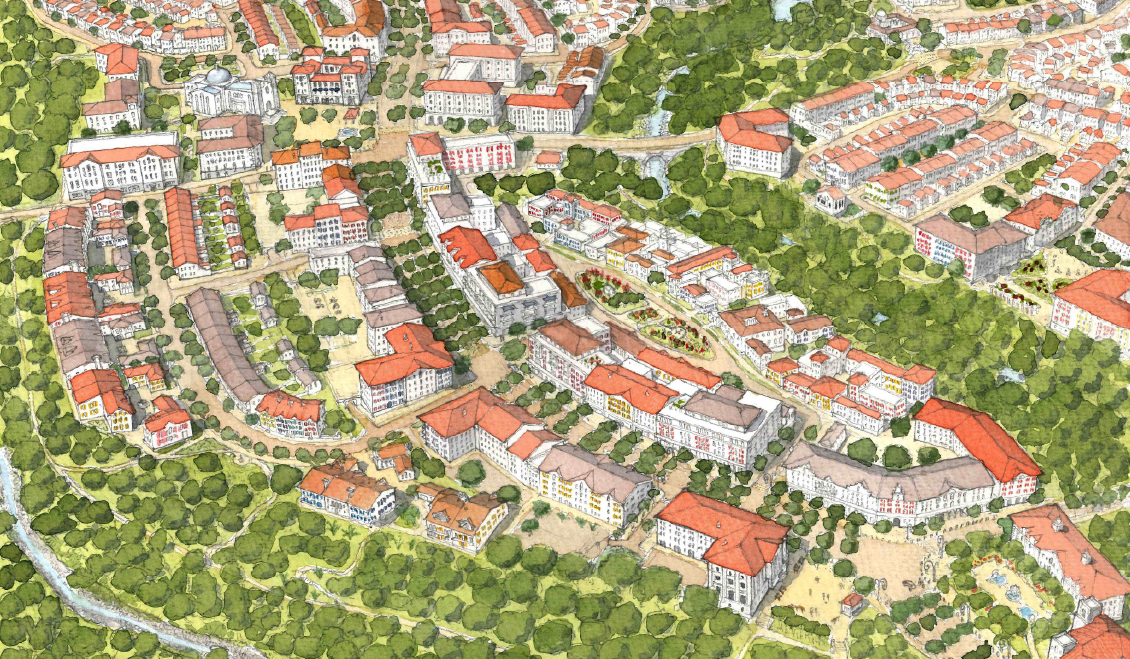
From an urban planning perspective, a planned community is a development conceived holistically from its inception, with a meticulous design that defines its structure, land uses, and residential, commercial, educational, and recreational zones. Unlike settlements that grow organically (and often face challenges such as traffic, insecurity, and poor connectivity), these projects are born with a master plan that prioritizes functionality, safety, and quality of life.
Its key elements include:
In essence, a planned community is an urban ecosystem designed to offer order, well-being, and social cohesion.
Planned communities have established themselves as one of the most attractive options for families, professionals, and investors due to tangible benefits:
They are designed to elevate the everyday living experience with:
Security is an essential pillar:
Everything is designed to ensure the community functions harmoniously:
Residents enjoy green spaces and recreational areas:
Common spaces foster natural interactions:
Investing in this type of development is usually a smart decision because it allows for:
Three elements underpin the essence of these developments:
The projects promote an active and healthy lifestyle:
Mobility becomes a tool to improve health, reduce stress, and enhance quality of life.
The presence of green spaces is not a luxury, but a fundamental component:
Planned communities prioritize social life as the foundation of well-being:
Together, these three pillars form complete human environments designed for better living.
Below, we present some outstanding projects in Latin America and around the world that have been developed during the 21st century.
These examples demonstrate that planned communities are a global trend that addresses the challenges of contemporary cities and are highly attractive to residents and investors.
Planned communities represent a new urban standard that prioritizes efficient mobility, integrated nature, and a strong sense of community. For residents, this model offers stability, appreciation of their investments, and a focus on well-being. Porta Norte draws inspiration from these principles to build a community designed for people (rather than cars), sustainability, and the urban life of the future. Do you want to learn more about how Porta Norte is leading this vision? Discover the project.